


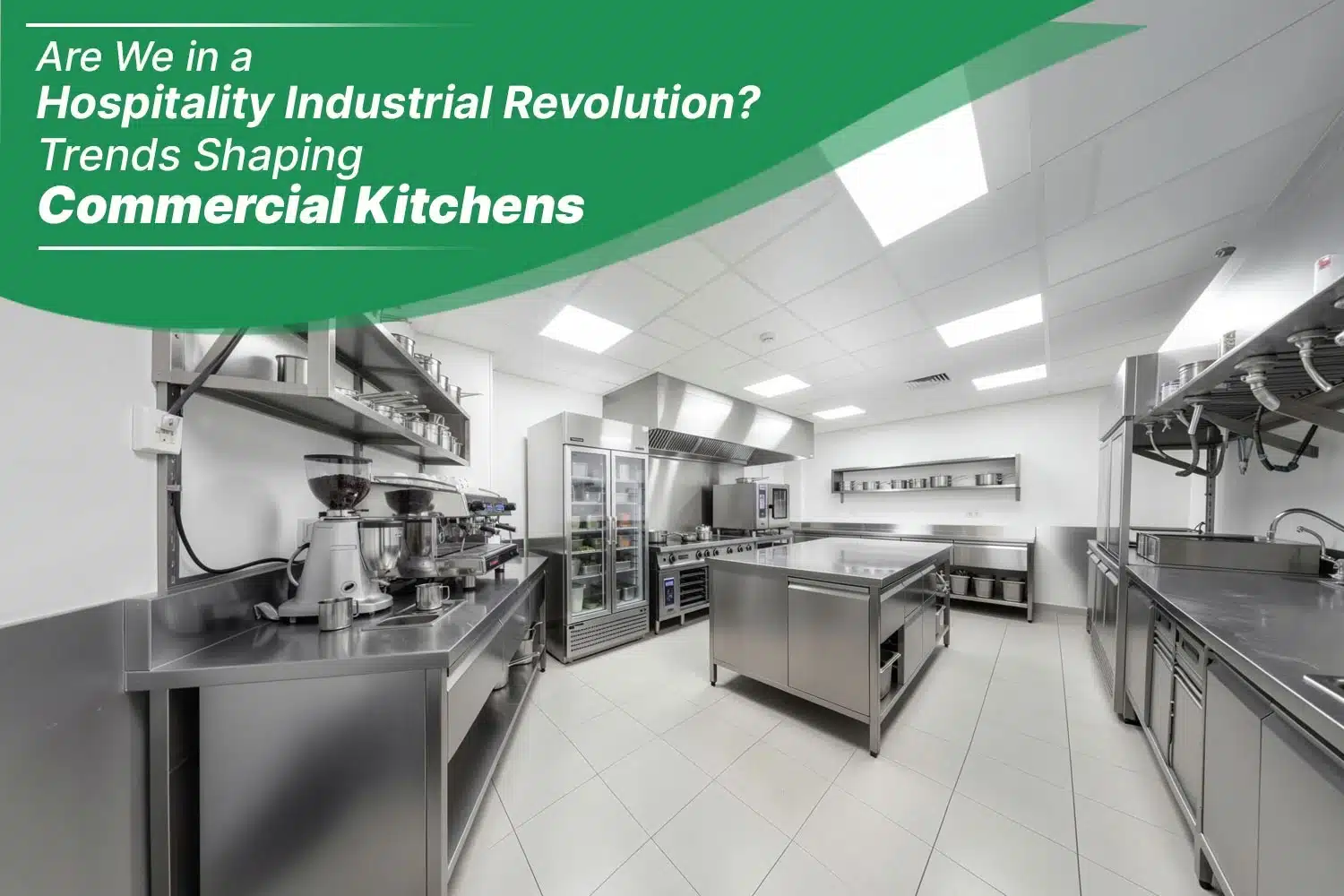
Across the commercial kitchen and restaurant industry, the shift from traditional operations to technology-driven models has become increasingly visible. Many businesses that once relied heavily on manual processes, paper-based systems, and siloed teams are now recognising that these methods slow productivity, limit visibility, and make it difficult to respond quickly to customer expectations. From commercial kitchen design in UK projects to advanced restaurant kitchen fit out in UK solutions, businesses are embracing innovation to stay competitive. Observing this transition across the sector, it’s clear that bridging operational change is not simply about adopting new tools, it’s about reshaping how organisations work, communicate, and make decisions without losing the human touch.
How Operational Change Shows Up in the Industry
Operational change in hospitality often becomes most apparent in day-to-day activities: how orders are processed, how stock is managed, how teams communicate, and how customer service is delivered. In many kitchens and restaurants, traditional workflows have long depended on manual checks, handwritten notes, and individual experience. While these methods can be familiar and trusted, they often create bottlenecks, inconsistencies, and a lack of real-time insight.
Today, businesses investing in restaurant kitchen design in UK and modern commercial kitchen designers in UK are creating streamlined workflows that improve efficiency and customer satisfaction.
Modern operations increasingly require agility, connected systems, and data-informed decision-making—especially as customer expectations continue to rise.
The Shift from Traditional to Technology-Driven Operations
The move toward digital operations is one of the most significant changes happening in commercial kitchens and restaurants. Traditional processes, manual ordering, paper-based HACCP logs, and isolated POS systems are gradually being replaced by integrated digital platforms.
Across the industry, businesses are adopting:
- Cloud-based POS and ordering systems that connect front-of-house and back-of-house in real time
- Automated stock management tools that reduce waste and improve forecasting
- Digital compliance systems that replace paper checklists
- Kitchen Display Systems (KDS) that streamline communication and reduce errors
- Data analytics that help managers understand sales patterns, labour efficiency, and customer behaviour
Alongside digital transformation, many operators are upgrading their industrial kitchen equipment in UK, kitchen cooking equipment in UK, and cooking equipments in UK to improve productivity and support growing customer demand.
These solutions create a more responsive, efficient, and scalable operating model—something increasingly necessary in today’s competitive hospitality market.
Key Drivers Behind the Change
From observing the sector, several forces are clearly pushing businesses to modernise:
- Labour shortages are encouraging automation to reduce repetitive tasks.
- Rising customer expectations for speed, accuracy, and digital convenience.
- Cost pressures that demand better efficiency and reduced waste.
- Food safety and compliance requirements that benefit from digital accuracy.
- The growing importance of data for forecasting, menu engineering, and operational planning.
Businesses also recognise the value of investing in quality catering equipment in UK and reliable hotel kitchen equipment suppliers in UK to improve operational efficiency and long-term performance.
Businesses that continue relying solely on traditional processes often struggle to keep pace with these demands.
Benefits Seen in Technology-Driven Operations
Where restaurants and commercial kitchens have embraced digital tools, the benefits are noticeable:
- Improved efficiency through reduced manual work and fewer errors
- Better decision-making thanks to real-time data
- Greater consistency in food quality and service
- Enhanced communication between teams
- Reduced waste and tighter cost control
- A smoother customer experience from ordering to delivery
Modern kitchens also benefit from upgraded baking equipments in UK, advanced commercial kitchen ventilation systems in UK, and energy-efficient equipment that enhances safety while lowering operating costs.
These improvements often translate directly into stronger performance and higher customer satisfaction.
Challenges Many Businesses Face
Despite the clear advantages, the transition is rarely straightforward. Common challenges observed across the sector include:
- Resistance from staff who are used to traditional methods
- Legacy equipment and systems that are difficult to integrate
- Skills gaps that make digital adoption slower
- Technology being added without process redesign, limiting its impact
- Poor communication or unclear leadership direction during change
Working with experienced commercial kitchen designers in UK and professional kitchen installation services in UK can help businesses overcome these challenges by ensuring equipment, layouts, and technology work seamlessly together.
Strategies That Support a Successful Transition
Businesses that manage the shift effectively tend to take a structured, people-centred approach:
- Setting a clear vision for the future operating model
- Assessing current processes and identifying inefficiencies
- Prioritising technology that delivers the greatest operational impact
- Engaging and training staff early in the process
- Implementing changes in phases, allowing time for adjustment
- Maintaining strong communication and clear performance measures
Combining expert commercial kitchen design in UK, efficient restaurant kitchen fit out in UK, and dependable kitchen installation services in UK ensures that technology enhances operations rather than complicating them.
The Importance of Leadership and Culture
In the hospitality sector, leadership and culture play a decisive role in whether operational change succeeds. Leaders who actively champion transformation create momentum and confidence. A culture that encourages learning, experimentation, and continuous improvement makes it easier for teams to embrace new ways of working.
Whether upgrading industrial kitchen equipment in UK or planning a complete restaurant kitchen design in UK, organisations that combine strong leadership with the right technology are better positioned for long-term success.
Conclusion
Across commercial kitchens, restaurants, and wider hospitality operations, the shift from traditional processes to technology-driven models is becoming essential. This transition is not just about adopting digital tools—it’s about aligning people, improving communication, streamlining processes, and implementing a clear strategy that creates a more agile, efficient, and competitive business.
By investing in modern catering equipment in UK, high-performance kitchen cooking equipment in UK, advanced commercial kitchen ventilation systems in UK, and partnering with trusted hotel kitchen equipment suppliers in UK, hospitality businesses can build future-ready kitchens that meet evolving customer expectations, improve operational efficiency, and achieve sustainable long-term growth.